
Garage Door Installation in Illinois
How garage door installation works in Illinois — measuring, materials, insulation, springs, balance. What to expect. Call 123-456-7890.
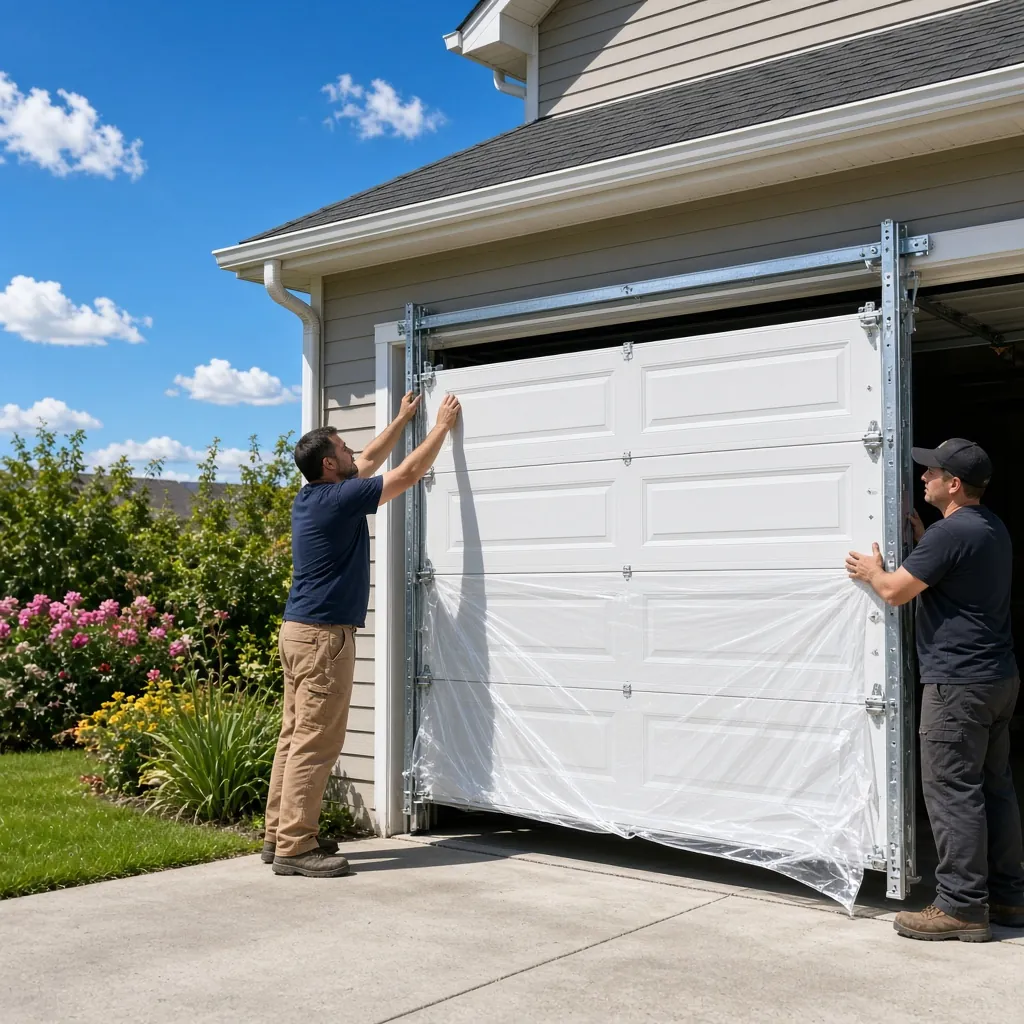
Garage door installation in Illinois puts a new door, tracks, and hardware on the opening and balances the whole system to the Illinois climate. Insulation matters here: Chicago's O'Hare station averages a 25.2°F January and about 38 inches of snow a year under NOAA's 1991–2020 normals, so an insulated steel door holds heat in an attached garage and stands up to cold-weather denting. Done right, an installation leaves a balanced door and an opener that carries almost none of its weight; done wrong, the door is hard to lift and wears its opener early. This page explains the materials, the process, and what to expect; the city pages list the companies that do it. Call 123-456-7890 to reach a local garage door pro.
When You Need a New Installation
Installation applies in a few situations: a first-time door on new construction or a converted garage, a door so damaged or worn that replacement is the better value, an upgrade from an uninsulated door to an insulated one for the Illinois winter, or a change in size or style — widening a single to a double, or moving from a plain panel to a carriage-style door. In each case the full assembly is new, not just a part.
Materials and What Suits Illinois
Insulated Steel
Insulated steel is the common Illinois choice: durable, low-maintenance, dent-resistant, and able to hold heat in an attached garage. Insulation is rated by R-value, and a higher R-value keeps the garage and adjoining rooms warmer through a 25.2°F January. It is the default for most suburban homes.
Wood and Faux-Wood
Wood and faux-wood (steel or composite with a wood look) suit older North Shore and estate homes where the door's appearance matters. Real wood costs more and needs periodic refinishing against the Illinois damp and cold; faux-wood gives the look with less upkeep.
Aluminum and Glass
Aluminum-and-glass doors are lighter and more modern, used on contemporary homes. They let in light but insulate less, so they fit a detached or unheated garage better than a living space.
How Installation Works
First, the installer measures the opening — width, height, headroom, and side room — and confirms the door size, spring requirements, and track type. Second, on a replacement the old door and hardware come out; on a new opening the frame is checked for square, since Illinois freeze-thaw can shift an older opening. Third, the tracks and door sections go up, plumbed and squared to the jamb, and the torsion springs are mounted and wound to the finished door's weight. Finally, the cables, rollers, and weather seals are fitted, the door is balanced by hand, and the opener is set and its force and auto-reverse tested before the job is done.
Insulation and R-Value in Illinois
R-value measures how well the door resists heat loss, and it is the number that matters most for an Illinois attached garage. A single-layer door has little insulation; a two-layer door adds a polystyrene or polyurethane core; a three-layer door sandwiches the core between two steel skins for the highest R-value and the most strength. For an attached garage with living space above or beside it, a higher R-value keeps those rooms warmer and the heating bill lower through the winter. For a detached, unheated garage the insulation matters less, so the choice depends on the garage.
Why the Right Install Matters Here
Illinois homes need a correctly sized and insulated install because of the climate and the door sizes common here. An insulated door keeps an attached garage warmer through a 25.2°F January and resists the warping and denting that cold and road salt cause. Many suburban homes have wide two- and three-car openings, and a wide door must be sprung and balanced precisely or it is hard to lift and wears its opener early. Freeze-thaw also moves garage slabs and openings over the years, so a square, well-fitted install with the right weather seals lasts longer and keeps out the cold and the drafts.
What to Expect on Installation Day
A standard single or double door is usually installed in a few hours. The installer removes the old door, fits the new tracks and sections, mounts and winds the springs, fits the seals, balances the door, and sets the opener. A first-time install that needs framing, a custom or oversized door, or a new opener added takes longer. The old door and hardware are hauled away by most companies. The door should be tested — balanced by hand and the auto-reverse checked — before the installer leaves.
What to Look for in an Installation Company
An installation company worth calling measures the opening rather than assuming a standard size, sizes the springs to the finished door weight, squares and plumbs the tracks, fits proper weather seals for the Illinois cold, balances the door by hand before setting the opener, and carries liability insurance with proof on request. A good company advises on insulation R-value for an attached garage and confirms any permit the municipality requires. For a rough cost range, see the cost guide. Call 123-456-7890 to reach an installation pro in Illinois.
Frequently Asked Questions
A standard single or double garage door installation is usually completed in a few hours once the old door is removed, though a first-time install that needs framing, or a custom or oversized door, takes longer. A new opener adds time for mounting, wiring, and programming. Most companies haul the old door away. Because this directory lists companies rather than scheduling the work, the company you reach confirms the timing for your specific door. Call 123-456-7890.
For an attached garage, an insulated door is worth it in Illinois. The O'Hare station records a 25.2°F January mean under NOAA's 1991–2020 normals, and an insulated door holds heat in the garage and the rooms above and beside it, while also resisting cold-weather denting. Insulation is rated by R-value — higher is warmer — and a two- or three-layer door insulates best. A detached, unheated garage benefits less, so the choice depends on the garage. A technician can advise.
For an attached garage with living space above or beside it, a mid-to-higher R-value door (a two- or three-layer insulated steel door) is the sensible Illinois choice, because it keeps those rooms warmer through the winter and cuts heat loss. A detached or unheated garage can use a lower R-value or a single-layer door, since there is no living space to protect. The exact R-value depends on the garage's use and whether it is heated; a technician can match it.
Permit rules are set by each municipality. A like-for-like door replacement needs no permit in many Illinois towns, while a new opening, a structural change, or the electrical work for a new opener often requires one. Historic or landmark districts, common on the North Shore, can add review. The local companies listed on each city page know their area's practice. Confirm the rule with your village or city building department before the work begins.
Sometimes, but it is often not worth it. New doors are matched to new tracks and springs sized to the door's weight, and reusing worn tracks or an undersized spring undercuts the install. An old opener can run a new door if it is sound and powerful enough, but an opener past 10 to 15 years, or one from before the 1993 photo-eye mandate, should be replaced. A technician assesses what can safely be reused and what should be new.
A new single door installed generally runs $600 to $2,000, with Inch Calculator putting the national average near $1,200, while a double door installed runs $800 to $4,000, with LawnStarter citing an average around $2,100. Material, size, and insulation drive the figure, and Chicago-area labor rates run above the national average, so Illinois installs trend toward the middle-to-upper end. See the cost guide for ranges, or call 123-456-7890 for a local figure.
A two-car garage can have one wide double door or two separate single doors, and each has trade-offs. A single double door costs less and gives one wide opening; two single doors cost more (two of everything) but let you open one side at a time and keep working if one door fails. Two singles also suit the look of some older Illinois homes. The opening and framing usually dictate which is practical; a technician can advise on the home.
Call Now for Garage Door Installation in Illinois
To reach a garage door installation company serving your Illinois town, call 123-456-7890.
Call now to reach a garage door pro in Illinois.
One call reaches a local company for repair, spring replacement, opener service, installation, and replacement. No forms — just a phone number.